- +91 8769296200
- care@nobleeyehospital.in
- +91 8769296200
- care@nobleeyehospital.in

Glaucoma
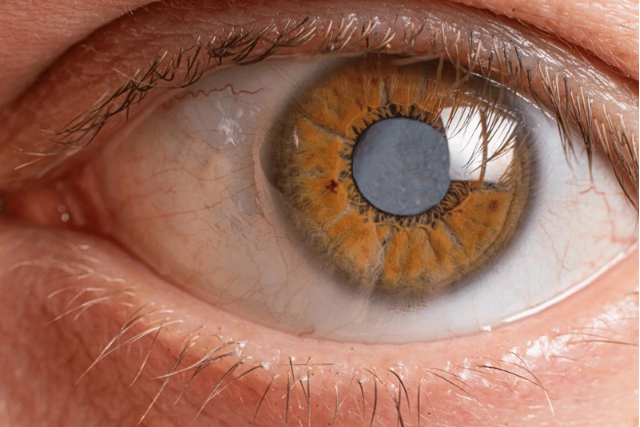
Glaucoma or Kala motia is a sight threatening group of diseases in which there is damage to the optic nerve caused by increased pressure within the eye. It is known as the ‘Sneak Thief of Sight’ since you could lose vision without knowing until it is too late. It is a serious condition that must not be ignored, early diagnosis and regular treatment is the key to saving your sight.
Symptoms of Glaucoma
In the early stages there are no obvious symptoms. By the time the patient becomes aware of decreased sight, the damage is already quite advanced. Hence, it is important to have regular eye check ups especially over the age of 40 years. Depending on the type of Glaucoma ( Open or Closed angle) following symptoms may occur
- Gradual, painless loss of vision
- Halos around lights
- Headache or browache
- Nausea with severe eye pain
- Blurred vision at night
- Loss of side/ peripheral vision
How is Glaucoma diagnosed ?
The best way to detect early Glaucoma is by a complete eye check up by your Eye specialist. This includes checking your vision, your intraocular pressure (IOP), evaluating the drainage angle of the eyes and examining your Optic nerve. If you have a risk factor for glaucoma, raised eye pressure,narrow angles or abnormal appearance of the Optic Disc,you will be advised to take certain special tests.
How is Glaucoma treated?
In the early stages there are no obvious symptoms. By the time the patient becomes aware of decreased sight, the damage is already quite advanced. Hence, it is important to have regular eye check ups especially over the age of 40 years. Depending on the type of Glaucoma ( Open or Closed angle) following symptoms may occur
Medication Tips
- Make a medicine schedule
- Use only one drop at a time
- Apply pressure for 30 seconds over the tear duct near the inner corner of eye
- Keep a gap of at least 10 min between 2 eye drops
- In case you miss an eyedrop, use it at the earliest possible time
- Inform your doctor about any side effects
- Regular treatment and follow up is essential
What are the Types of Glaucoma?
- Angle Closure
The drainage pathways for the fluid (Aqueous humour) formed within the eye is narrowed leading to increased back pressure.It often presents as a sudden attack of Glaucoma with very high pressure, can cause severe headache, pain, nausea and loss of vision. - Open angle
The angle is not obstructed by iris tissue but there is resistance in the outflow channels. It starts gradually, is painless with no warning symptoms. - Normotensive/ Low tension
Despite normal eye pressure, there is damage to the optic nerve usually due to less blood supply and low blood pressure - Congenital
It presents early in life and is due to defective development of normal drainage structures in the eye. Babies born with it may have cloudy eyes, watering and light sensitivity.It usually needs early surgery. - Traumatic
Eye injuries can lead to glaucoma due to bleeding or scarring that obstructs the outflow of fluid - Neovascular
Serious and intractable form of glaucoma due to growth of abnormal blood vessels on the iris. - Secondary
Glaucoma can occur due to other eye diseases such as mature cataract, eye inflammation, eye tumours, eye surgery, medications etc.
